Court confirmation & overbids

California probate court confirmation and overbids, explained.

Some California probate sales need the court's approval before they can close. At the court confirmation hearing, qualified buyers can overbid. Here's how it works, how long it takes and how continued marketing helps the estate reach the best price.

Court or no court

Does your sale need court approval?

It depends on the authority the court gave the executor or administrator under California's Independent Administration of Estates Act (IAEA). The Letters issued by the court show which one applies, and your attorney, if one is involved, can confirm it.

Full authority

Usually no hearing

Full authority often allows a sale without court confirmation. Where required, a Notice of Proposed Action goes to the people entitled to notice at least 15 days before the proposed action date.

  • Usually no confirmation hearing or courtroom overbidding.
  • Normal contingencies can be negotiated.
  • If someone entitled to notice objects, the sale needs court supervision to go ahead.

Faster, and simpler for buyers.

Limited authority

The court must confirm the sale

The court has to approve the price before the sale can close. At the hearing, qualified buyers can submit an overbid.

  • Buyers do their inspections before bidding, not after.
  • The price must be at least 90% of the probate referee's appraisal.
  • The accepted buyer can be outbid in court.

Slower, but a second chance at a higher price.

From accepted offer to closing.

Step 1

Offer accepted

The offer is accepted subject to court confirmation, usually with a 10% deposit. The price must meet the 90% appraisal rule.

Day one

Step 2

Petition filed

Your attorney, if one is involved, files the Report of Sale and Petition for Order Confirming Sale (form DE-260). Heirs and interested parties get notice of the hearing.

Once the filing is ready

Step 3

The wait

The home stays on the market, marked subject to court confirmation, with the hearing date shared with every interested buyer.

Typically 4 to 6 weeks from filing

Step 4

The hearing

In Los Angeles, most probate hearings are held at the Stanley Mosk Courthouse downtown. The court reviews the sale and takes any overbids.

Hearing day

Step 5

Order and closing

In our experience, the signed order typically arrives 2 to 3 weeks after the hearing. Our contracts provide for closing within 10 days after escrow receives it.

Order, then closing

Timing reflects our Los Angeles experience, not court deadlines. Schedules vary, and the signed contract controls the closing date.

The overbid

How the probate overbid is calculated.

At the court confirmation hearing, the first overbid has to beat the accepted offer by a set amount under Probate Code 10311. After that, the court runs the bidding, and it can feel like an auction.

Accepted offer$1,000,000The price in the petition
Plus 10% of the first $10,000+ $1,000The first part of the formula
Plus 5% of the rest+ $49,5005% of $990,000
Minimum first overbid$1,050,500Minimum opening overbid under the general statutory formula
5% + $500

For accepted offers of $10,000 or more: accepted price × 1.05 + $500.

Probate overbid calculator

$1,050,500.00Accepted offer + 10% of the first $10,000 + 5% of the rest
$105,050.00Cashier's check on the overbid amount

Who can bid

Any qualified buyer with a written bid. Inspections happen before the hearing, not after.

What they bring

Typically a cashier's check for 10% of the bid and proof they can close. Check the exact amount and payee in advance.

The accepted buyer

Can bid again. If someone else wins, the accepted buyer's deposit is returned.

The commission

The court approves the commission and how it is divided between the agents involved.

The court can decline an overbid and order a new sale. An overbid on different cash or credit terms may need the personal representative’s acceptance first.

If the amount is too low relative to the property's actual market value, someone should show up. That's why the probate code is there: to protect those who can no longer speak for themselves.

Matias Baker Masucci

Before the hearing

The court date is a second chance.

Many agents treat the weeks before the hearing as paperwork. A good probate agent treats them as a second marketing campaign. The goal is qualified bidders, the best attainable price and a reliable closing.

1

Keeps marketing

Marketing continues after acceptance, with the court-confirmation requirement and hearing date clearly disclosed.

2

Calls every buyer who missed out

Everyone who toured, bid or asked gets the hearing date and the minimum overbid.

3

Shares the disclosure package

Overbidders get the same reports the accepted buyer had, so they can bid with confidence.

4

Prepares the accepted buyer

No surprises in court: deposit ready, financing ready, and a plan if bidding starts.

5

Shows up at the hearing

Ready to answer the court's questions and point bidders to the right courtroom.

6

Documents everything

Marketing, showings, offers and bids, so the court and every beneficiary can see the effort.

Pricing is just a marketing tool. Nobody knows the market value of your property until you find an arm's length transaction with somebody willing to pay.

Matias Baker Masucci, on Icons of Real Estate

Our approach

How Matias and his team work

  • Matias never represents both sides of his own listings.
  • We coordinate clearing, cleaning and presentation where appropriate, with repairs only when the numbers support them.
  • Marketing continues until the court confirms the sale.
  • Every step documented for the person in charge and their attorney, if one is involved.
For buyers

Want to bid on a probate house?

Buyers should complete due diligence before bidding, verify deposit requirements and arrange financing that meets the sale's terms. Our buyer guide explains how to prepare.

COURT CONFIRMATION
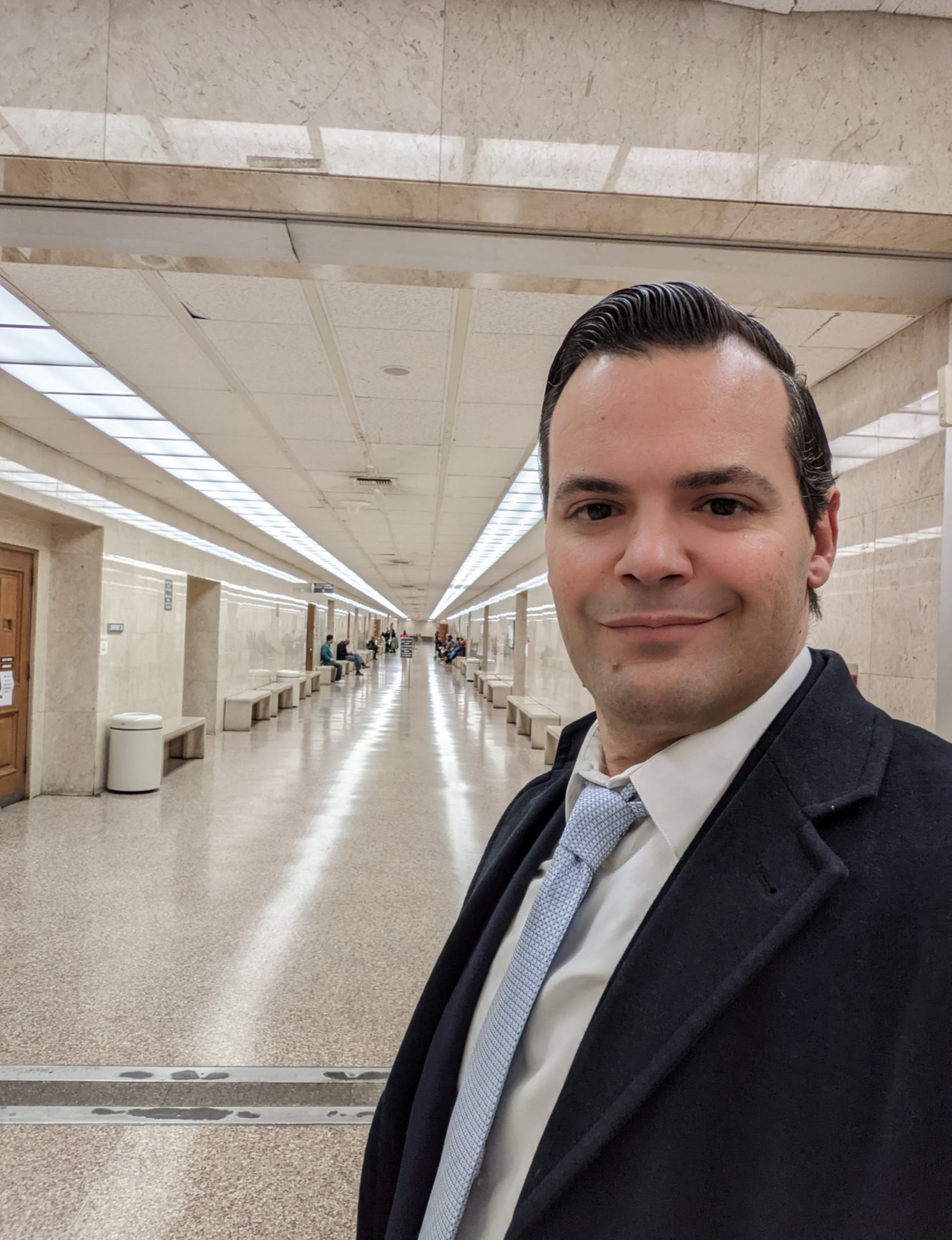
Matias outside Stanley Mosk CourthouseMatias in a courthouse hallwayMatias outside a courtroom
Matias has attended many probate court confirmation hearings, including at the Stanley Mosk Courthouse in downtown Los Angeles.

Watch

Hear how it works in practice.

Matias on pricing, exposure and what the court wants to see before it confirms a sale.

Why a court sale needs real exposure.

Matias on Icons of Real Estate · 31:59

Matias explains how court sales work and why he keeps every property on the market long enough to show the court, and the family, the full effort.

  • Why he turns down the offer that comes in 45 minutes after listing.
  • Showing the court every marketing effort.
  • Price, appraisal and market value: three different numbers.

Educational information. Consult an attorney about your specific situation.

More from The Probate Realtor Show

Frequent questions

What families ask about the hearing.

Does every probate sale need court confirmation?

No. Under the IAEA, an executor or administrator with full authority can usually sell without court confirmation after giving a Notice of Proposed Action. With limited authority, the court must confirm the sale. If someone objects to the notice, the sale also needs court supervision.

Do trust sales go to court?

Usually not. A successor trustee can generally sell without court confirmation or overbids, unless the trust or a court order says otherwise.

What is a Report of Sale and Petition for Order Confirming Sale?

It is the court filing (form DE-260) that reports the accepted offer and asks the court to confirm it. Filing it is what sets the court confirmation hearing date.

How long does court confirmation take?

In our Los Angeles experience, the court confirmation hearing typically takes place 4 to 6 weeks after filing, and the signed order arrives 2 to 3 weeks after the hearing. Our contracts provide for closing within 10 days after escrow receives the order. Court schedules vary.

Does the price have to match the probate appraisal?

For a private sale, the price generally must be at least 90% of the appraised value. Both the appraisal and its valuation date generally must fall within one year before the confirmation hearing.

What does an overbidder need to bring?

A written bid, a deposit (a cashier's check for 10% of the bid is common) and the ability to close on the approved terms. Check the exact amount and payee in advance, and do inspections before the hearing.

What if nobody overbids?

As long as the sale meets the legal requirements, the court confirms it to the accepted buyer, and escrow can close once the order is signed.

Do I have to go to court?

Usually your attorney, if one is involved, handles the hearing, and the court's notice says who must attend. Anyone who wants to overbid has to appear, in person or as the court allows.

What if the hearing is continued?

It moves to a new date. Marketing continues, every interested buyer gets the new date, and contract or financing deadlines may need an extension.

Matias Baker Masucci is a licensed real estate broker, DRE 02054763, not an attorney. This guide is general information, not legal advice. Talk to a probate attorney about your situation.

Have a hearing coming up?

Get more bidders in the room.

Talk to Matias about the sale, the hearing date and what can still be done to bring the best price to the estate.

Discuss the Property

Prefer to talk? Call (310) 776-5145