Personal Property · Los Angeles

A lifetime of belongings. A clear plan for all of it.

What to keep, what to sell, what to donate, and how to empty the house without losing what matters.

The plan

Keep. Sell. Donate. Clear.

A house full of belongings feels endless. It isn't, once everything moves in the right order.

1

Family first. Heirs pick what they want, with the executor or trustee's OK, before anyone values the rest.

2

Protect papers and photos. Pull them out before anything is sold or hauled.

3

Sell what has value. Estate sale, auction or consignment, depending on what is left.

4

Donate, recycle, haul. Usually done in a single day at the end.

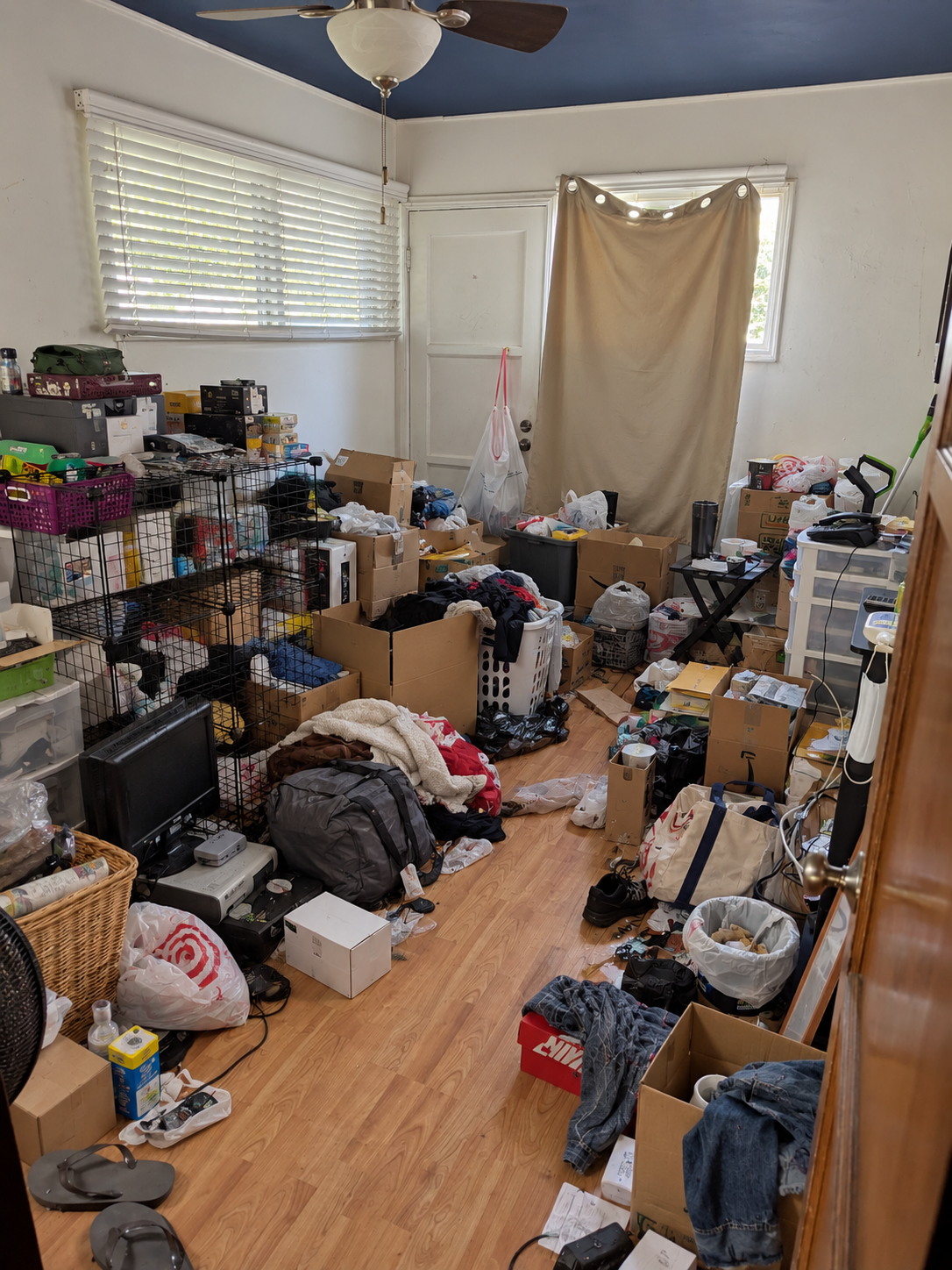
Bedroom with household belongings
Before
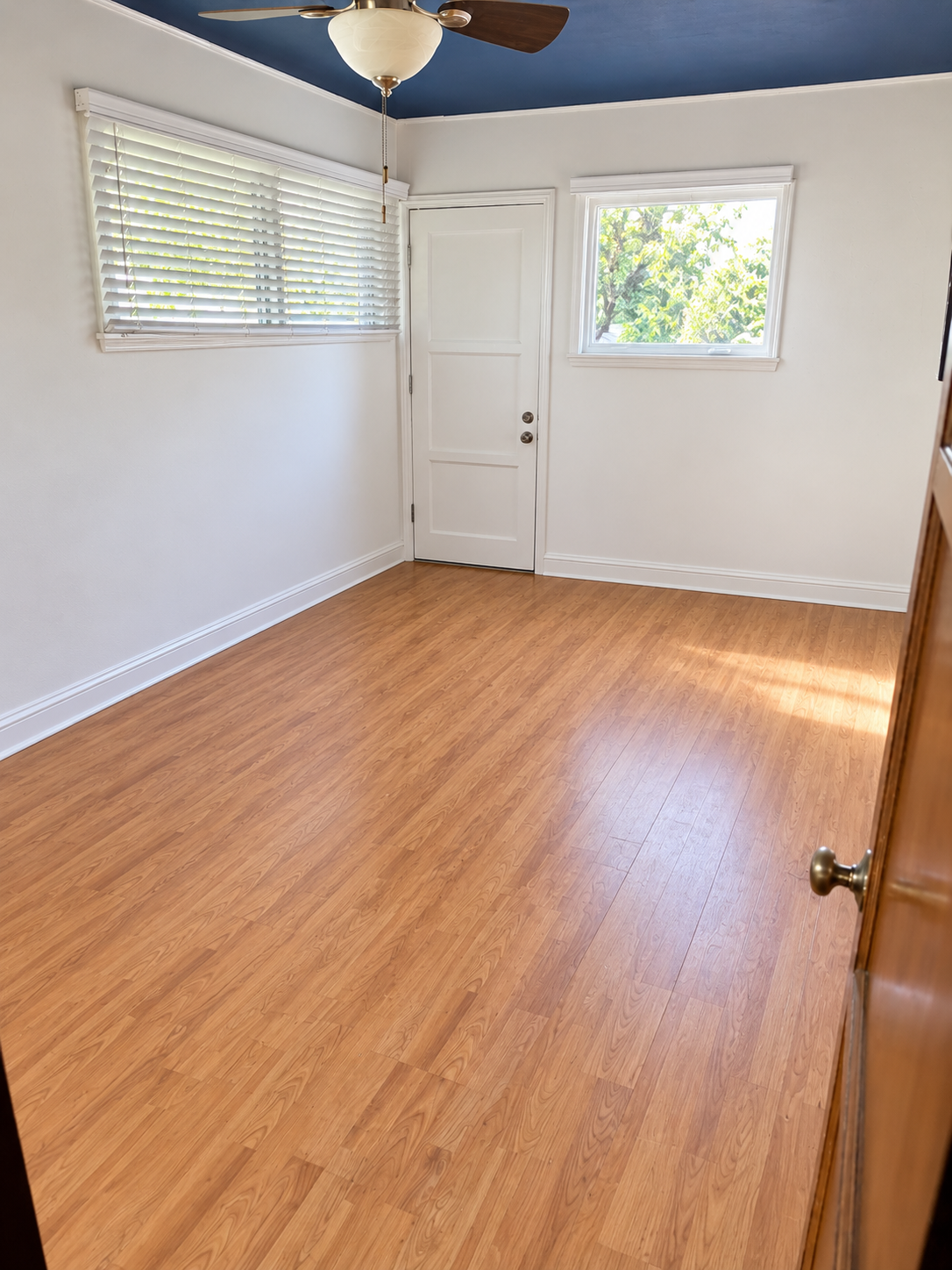
Empty bedroom after clearing
Cleaned
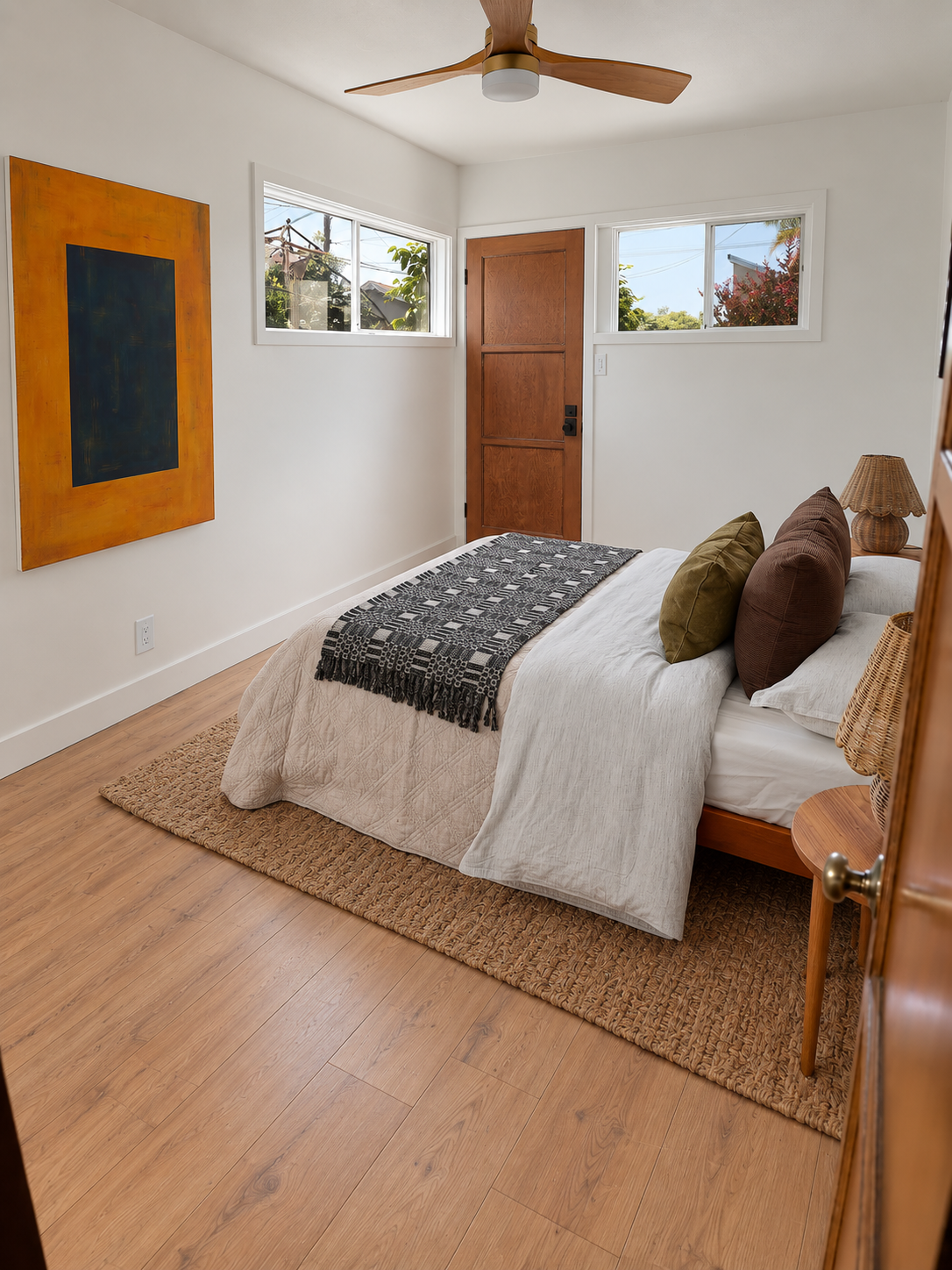
Bedroom furnished and prepared
After

An actual property prepared and sold by Matias and his team.

Before anything leaves the house

Protect what can't be replaced.

Documents

Wills, trusts, deeds, car titles, bank and tax records, IDs. Keep them safe for your attorney, if one is involved, and your CPA. Confirm what must be retained before securely shredding anything.

Family photos

Set them aside for the family. Strangers really do buy them at estate sales.

Keys and contracts

Look for loose keys and storage unit contracts. Many families find a unit they never knew about.

Dangerous items

Firearms and ammunition: call the local police or sheriff. Chemicals and paint: a licensed disposal company.

Shred, don't tossEven an old bank statement can expose the estate to identity theft.
Family out of town?Photos and video help them review belongings and share requests from anywhere.

Watch

A practical place to start.

Handling belongings without family drama.

With Matias Baker Masucci · 8:00

  • Sorting everything into keep, sell, donate and trash.
  • Approaching decisions about heirlooms with care.
  • What to do with firearms and hazardous materials.

What it's worth

What it cost then isn't what it's worth now.

That credenza may end up at a thrift store. A painting you never noticed may surprise you. A realistic plan starts with a professional opinion.

Estate sale

For a full house with variety. Usually three days, Thursday to Saturday.

Auction

For art, jewelry and collectibles. Bidders set the price, so no one has to guess.

Consignment

For good pieces when there is not enough for a full sale.

Donation

Not every charity takes everything. Keep the receipts and ask the estate's CPA about taxes.

When family disagrees

The fight is rarely about the object. It is about grief. A photo inventory gives everyone the same list, even siblings in other states. Taking turns choosing works better than a race with sticky notes.

For executors and trustees

Confirm the plan for sales and distributions with the appropriate advisers. Document approved decisions, items transferred, proceeds and expenses. Keep receipts and clear records for the estate or trust.

Go deeper

Two longer conversations with local experts.

How an estate sale and clear-out really work.

With professional organizer Dina Braverman · 29:53

Dina walks through a house full of belongings, from the first walk-through to the final haul.

  • When an estate sale makes sense, and when it doesn't.
  • The timeline, day by day.
  • What charities take, and what they won't.

The practical discussion comes first; later, Dina covers organizing and moves.

Sentimental value vs. market value.

With Marty Stevens-Heebner, Clear Home Solutions · 34:20

Marty explains why sentimental value and market value rarely match, and how families divide things fairly.

  • How Marty uses online auctions to sell belongings.
  • Inventories that help siblings divide belongings.
  • What her team finds in hoarding situations.

Later, Marty covers moving a parent to assisted living.

Educational information. Consult an attorney or CPA about your specific situation.

More episodes of The Probate Realtor Show

Frequent questions

What families ask us.

Can we empty the house before probate?

Secure it first. Locking up valuables and important papers is usually fine. Selling or giving things away should wait until someone has legal authority as executor, administrator or trustee. Check with your attorney, if one is involved.

Who decides who gets what?

Ask the authorized representative, and your attorney if one is involved, to confirm the appropriate distribution process under the will or trust and applicable law. A shared inventory can help beneficiaries communicate their requests.

Is an estate sale worth it?

Only when there is enough quantity and variety to draw buyers. Otherwise, a few pieces go to auction or consignment and the rest is donated.

How long does it take?

In her interview, Dina describes 7 to 10 days for an estate sale from preparation through clearing, sometimes two weeks for a very full house, and one or two days for a clear-out without a sale. These are examples from her practice. Ask for a schedule based on your contents, decisions and vendor availability.

Who pays for the clean-out?

Usually the estate. When estate funds are limited, some clean-out and preparation costs can be paid from the sale proceeds at closing. See how that works.

What if it's a hoarding situation?

It takes specialists, sometimes in protective gear. A good team sorts everything as it comes out, so deeds, car titles, keys and cash are not thrown away.

General information, not legal or tax advice. Talk to your attorney, if one is involved, or a CPA about your situation.

Clean-out help

A house full of belongings and no idea where to start?

Preparing the property for sale? Share the address. We can help coordinate estate-sale, clean-out and donation professionals as part of the sale plan.

Discuss the Property

Prefer to talk? Call (310) 776-5145