TRUST SALES · LOS ANGELES

Selling a house in a trust in Los Angeles? We handle the sale and document every decision.

As successor trustee, you may need to explain your decisions to the beneficiaries. We handle the real estate work on the trust property, from valuation and any approved preparation through marketing and closing, and keep a clear record of what was done and why.

WHAT WE DOCUMENT

A record you can explain to beneficiaries

The record shows what happened and why.

  • Pricing rationale
  • Vendor bids and invoices for any work performed
  • Marketing activity and buyer feedback
  • Offers, counters, and the reasons behind the decisions made

THE REAL ESTATE WORK, HANDLED AND DOCUMENTED

You carry the trustee's responsibility. We handle the real estate work.

You should not have to manage the belongings, vendors, showings, buyers, and escrow yourself. We organize the property sale around the trust's priorities and keep a clear record of the work and decisions along the way.

Compare the sale options

Assess condition, access, occupancy, and value. Compare selling as-is with any preparation worth considering, including the cost, time, risk, and likely net proceeds.

Coordinate what is needed

Arrange access, clean-out, cleaning, and any approved preparation or staging. Sometimes no repairs are needed. We manage the agreed scope and keep vendor bids and invoices organized.

Market and manage the sale

Build the marketing around the property, track buyer activity, compare offers, negotiate, and coordinate escrow through closing. Keep the trustee informed and coordinate with counsel when involved.

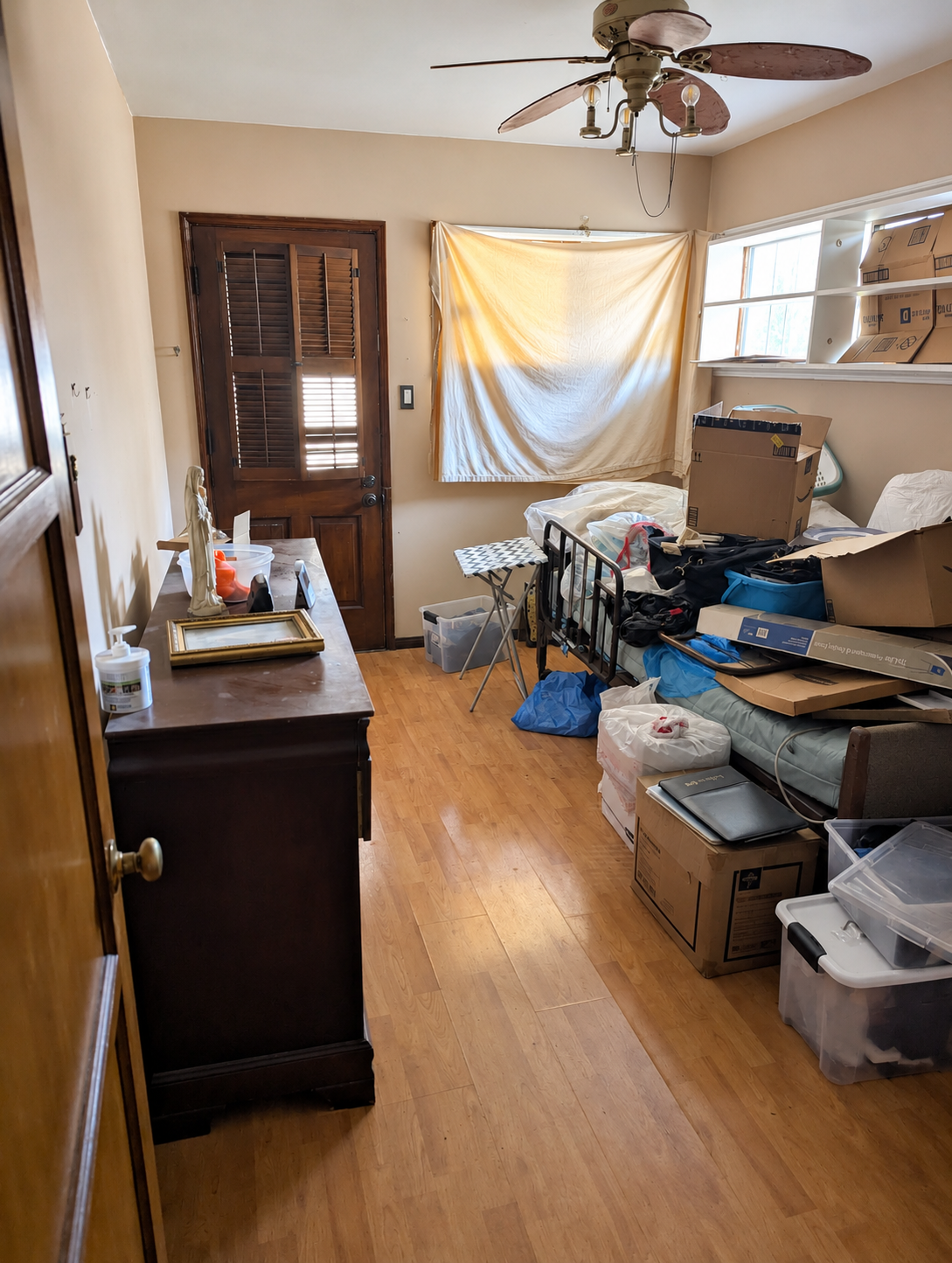
Bedroom before preparation, with belongings and boxes
BeforeInitial condition documented
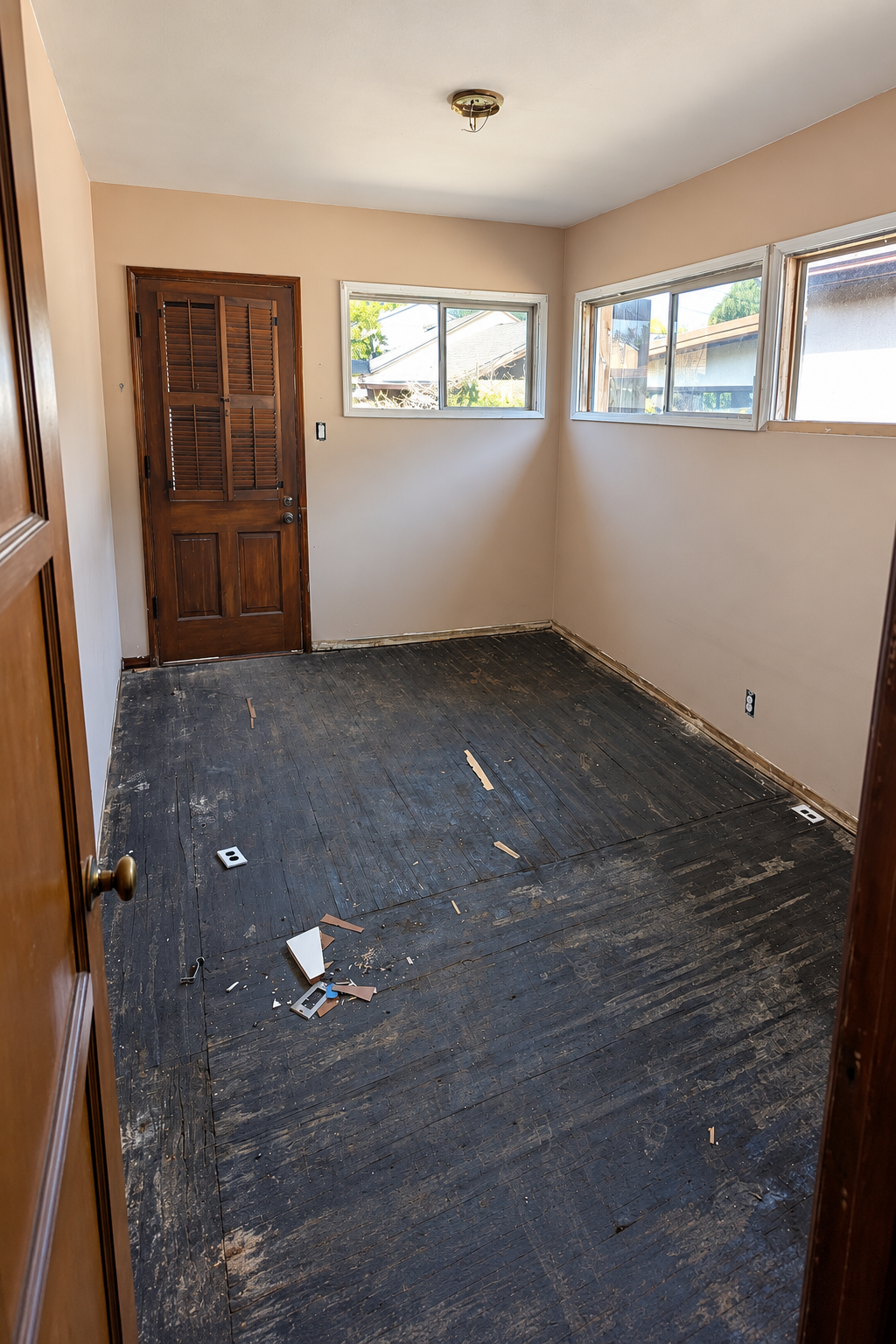
Bedroom during preparation, cleared with flooring work underway
In progressPreparation underway
Bedroom prepared and staged for marketing
Ready for marketPrepared and staged for marketing

Actual property prepared and sold by our team. Preparation depends on the property and the trustee’s goals. Sometimes selling as-is is the right choice.

RECENT TRUST SALES

Trust sales we have handled for successor trustees.

Every trust is different. Some sell as-is to cash buyers in weeks. Others need title work or court approval first. What they share is a documented process and offers tested against the market.

Exterior of the Encino trust property

Encino · Contested trust · Closed

Court-appointed trustee. Zero objections.

After litigation removed the original trustee, we sold for a professional fiduciary with every decision documented. Multiple offers lifted the price from early bids near $1.4M to $1.8M, all cash and as-is. Beneficiaries received notice and none objected.

Virtually staged living room of the Glendale trust property

Virtually staged

Glendale · Court-supervised trust

Called in before the trustee was appointed.

An attorney reached out to us before a successor trustee had been appointed, and the heir lived out of town. We facilitated the occupant's relocation, cleared the property, and kept wary beneficiaries informed. Eight offers came in, and the accepted one was $135K over asking. When the court asked how the property was marketed, we provided a declaration documenting every step taken to secure the best offer.

Virtually staged living room of the Encino condo

Virtually staged

Encino · Condo · Fiduciary sale

An HOA dispute solved without the fiduciary.

A professional fiduciary called several agents before reaching us. After the tenant moved out, we cleared and cleaned the unit and worked within strict HOA rules. Six offers came in, and the accepted one was over asking, with no contingencies, repairs or credits. When an HOA dispute threatened escrow, we resolved it directly with the HOA and the buyer's agent, without involving the fiduciary.

Exterior of the Camarillo trust property

Camarillo · Title issue · Trustee without an attorney

An old loan that was never cleared from title.

The successor trustee was handling the trust without an attorney. Title turned up an old deed of trust that had never been reconveyed, and the original note was lost. We worked with the trustee, title and escrow to gather the documents needed to clear it, and escrow closed on time. We also handled the clearing and cleaning, and the trustee made no repairs.

See all case studies →

HOW A TRUST SALE WORKS

What happens to the house when someone with a living trust passes away.

The living trust

During their lifetime, the person who created a revocable living trust often serves as trustee. After their death, all or part of the trust may become irrevocable, depending on its terms. Those terms guide who takes over and how the property is handled.

The successor trustee

The trust names a successor trustee to step in. That person can manage and sell trust property, usually without going to court. With that authority comes a duty to act in the beneficiaries' best interest and keep them reasonably informed.

Why it differs from probate

In probate, much of the work is establishing authority and getting court confirmation. In a trust sale, we usually know who is in charge from day one. The focus shifts to trust administration: documents, notices, title, and a sale that holds up to scrutiny.

The Probate Realtor Show · Episode 10

You’re the successor trustee. Now what?

Matias and attorney Kim Millman explain what trust administration involves and why having a trust does not make the work happen automatically.

With attorney Kim Millman · 28:59 · Educational information. Consult an attorney about your specific situation.

What you’ll learn

The opening discussion focuses on the work and responsibility a successor trustee takes on.

  • Why the trustee has to carry out the trust’s instructions.
  • How notices, deadlines, and beneficiary expectations affect administration.
  • Why choosing the right trustee matters.

Later, the conversation turns to charitable giving and Kim’s background.

WHERE WE START

The first questions we ask every successor trustee.

01

Is an attorney involved?

Many trusts are administered without one, and that is common. When there is a trust attorney, we coordinate with them from day one. When there is not, we keep the process organized and flag any question that needs legal advice.

02

How many beneficiaries are there?

One beneficiary or eight changes everything: how decisions get made, who needs updates, and how much documentation the trustee will want. We plan the sale around the people who need to be kept informed.

03

Is there a certification of trust?

This is the first document to secure. The title company will ask for a certification of trust, and sometimes a full copy of the trust, before it insures the sale. We request what is needed early so escrow doesn't stall waiting on paperwork.

04

Is the house actually in the trust?

Ideally, title is held in the decedent's name as trustee of the living trust. Sometimes a home was taken out of the trust to refinance and never put back. We check the recorded title early and coordinate with title and counsel on what is needed. A Heggstad petition may be an option, depending on the trust documents and facts.

Preparing the property

A decision you can explain to beneficiaries.

What does the property need?

  • Some properties sell best as-is.
  • For many properties, the right preparation is clean-out, cleaning, and professional presentation.
  • Bigger improvements only when the numbers justify them.
  • Each option is compared on cost, timing, and expected net proceeds, and documented.

If trust funds for preparation are limited

  • Trust funds available: pay vendors directly.
  • Some vendors accept payment at closing without an added fee for deferring payment.
  • Preparation or staging financing, when the benefit justifies the cost.
Limited funds? See your options →

You see the full cost first. You decide what to approve.

WHEN IT GETS COMPLICATED

Not every trust sale is simple. We have handled the hard ones.

Statutory notices

When a revocable trust or a portion of it becomes irrevocable because of a death, California generally requires notice to the relevant beneficiaries and heirs. Notice can start a trust-contest period that affects sale planning. We coordinate the real estate timeline with the trustee and counsel when involved.

The house is not in the trust

If the home was deeded out to refinance and never returned, ownership has to be resolved before the sale can close. We catch it at the start, not in escrow, and plan the listing timeline around the steps title and counsel require.

The successor trustee has also passed away

When the named trustee has died or cannot serve, the trust's replacement provisions must be checked. A replacement may be appointed under the trust or another applicable procedure; a court petition may be needed. We have sold trust properties that required a court-appointed trustee and coordinate with counsel on the real estate timeline.

Belongings, occupants, and access

A relative still living in the home, a house full of belongings, or no key at all. These affect timing and value. We plan the sale around them and coordinate the clean-out vendors, so the trustee is not handling it alone.

THE TRUSTEE'S DUTY

The first offer is information. It is not automatically the market.

A quick offer from an investor can be the right answer, especially when timing, access, or condition are difficult. But a successor trustee owes the beneficiaries a sale they can stand behind. We test every offer against real market exposure, so the trustee can show why the accepted offer was the right one.

From The Probate Realtor Show

More guidance for successor trustees.

What a successor trustee should do first.

With trust attorney David Soffer · 25:43

David explains where to start after taking over as successor trustee and why having a trust is only the beginning.

  • Identify the trust’s assets and establish control.
  • Understand beneficiary notices and accounting.
  • Keep records that help explain how the trust was handled.

The practical discussion comes first; later, David shares his career story.

Is the property actually in the trust?

With attorney Jenna Glassock · 34:14

Jenna explains why creating a trust and transferring property into it are separate steps, and what happens when an asset was left out.

  • Why the property’s title matters.
  • How refinancing can leave a home outside the trust.
  • When a Heggstad petition may help address an omitted asset.

The episode begins with probate exposure and privacy; the trust funding discussion comes later.

Educational information. Consult an attorney about your specific situation.

FREQUENT QUESTIONS

What successor trustees ask us.

Does a trust sale need court approval?

Usually not. A successor trustee's authority depends on the trust's terms and the circumstances. Court involvement may be needed for a trustee appointment, an ownership issue, a dispute, or approval of a sale. We coordinate the real estate process with the trustee and counsel when involved.

How long does a trust sale take?

Once the trustee has the certification of trust and title is clear, many homes can be on the market within a few weeks, and a typical escrow runs about 30 days. Notices, clean-out, occupants, or a title problem can add time, so we map the timeline at the first meeting.

Do I need an attorney to sell a trust property?

Not always. Many trusts are administered without one. We will tell you when a question needs legal advice, such as a house that is not in the trust, a dispute, or a trustee who can no longer serve. We work alongside your attorney, or can introduce you to experienced trust counsel.

Can a beneficiary buy the house?

Yes, and it happens often. When the buyer is a beneficiary who is not the trustee, it works like any other sale, with the price supported by market evidence so the other beneficiaries can see it was fair. When the buyer is also the trustee, check the trust first. Some trusts allow it. If not, informed consent from the other beneficiaries or court approval is the usual path, so have an attorney review it.

What if the beneficiaries disagree?

We give every beneficiary the same market evidence and keep the trustee's decisions documented. Clear information settles most disagreements. When it does not, that is the point where an attorney steps in.

Do I have to fix the house before selling?

No. Many of our trust sales close as-is, with no repairs or credits. We compare selling as-is with light preparation, based on expected net proceeds, and the trustee decides.

START WITH THE PROPERTY

Clear options. Documented execution.

Tell us about the property and the trust. We will start with a realistic property review and a clear plan for the trustee.

Discuss the Property

Prefer to talk? Call (310) 776-5145

Real estate information and services only. Not legal or tax advice.