First Steps After a Death · Los Angeles

First steps after a death: what to do with the house.

Start by protecting the house and understanding your options. Here is what to do first, who pays what, and who is allowed to make decisions.

The first 30 days

What to do, and when.

Take a breath. Most decisions can wait a few weeks. These can't.

Day one

Secure it

  • Lock doors and windows if you have authority, and find out who else has a key. Never lock out tenants or other lawful occupants.
  • Take the important papers somewhere safe: the will or trust, deeds, insurance policies and bank statements.
  • Photograph the home and belongings. With the OK of the person in charge, secure jewelry, cash and medications, and note what moved, where and by whom.
  • Leave firearms in place and keep people away from them. Ask an attorney or local police how to handle them; California has rules.
First week

Keep it running

  • Call the homeowners insurance company. Tell them the owner died and ask about vacancy rules.
  • Keep the power, water and gas on, and fix leaks right away. A house without utilities gets damaged and looks empty.
  • Collect the mail. Bills, tax notices and county notices still arrive there.
  • Call a probate or trust attorney. Ask the funeral home for about 10 certified copies of the death certificate.
First 30 days

Get organized

  • Find out who is in charge: the successor trustee, or the executor the court appoints.
  • Keep paying the mortgage, property taxes, HOA dues and insurance.
  • File the change in ownership form with the County Assessor. You have 150 days.
  • Wait to clear out the house until the person in charge says so. See Handling Personal Property.
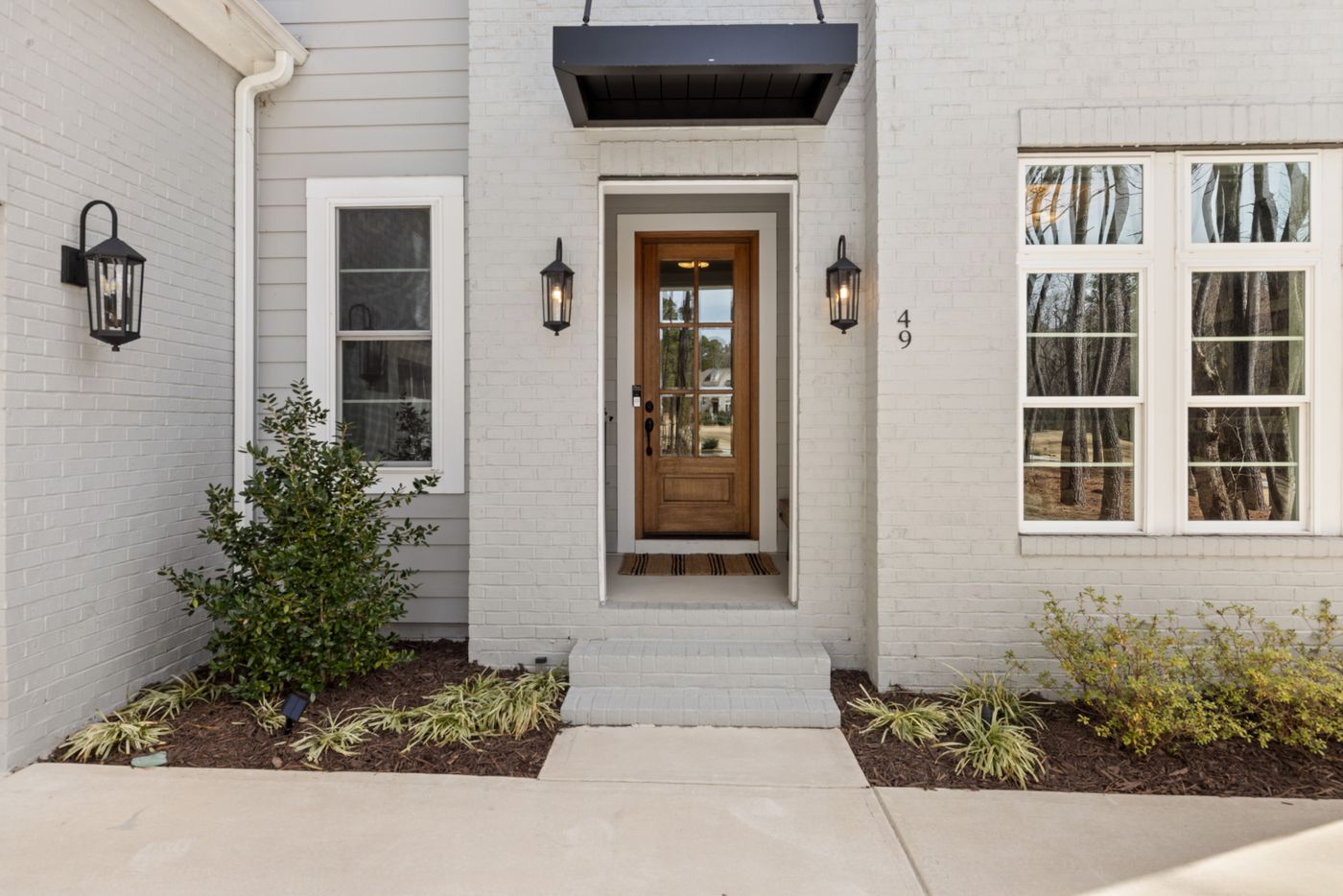
Front entrance with a wooden door and exterior lights
Confirm who can signAuthority depends on the deed, the trust and any court appointment. Being the oldest child does not give someone authority to sell.
Check urgent noticesFlag foreclosure notices, insurance cancellations, leaks and other immediate risks. Don't wait for the rest of the paperwork.

Protect the house

Empty houses get noticed.

An inherited house often sits empty for months. That draws break-ins, squatters and even deed fraud. A few simple steps make it a hard target.

Make it look lived in

Keep the lawn cut and the porch clear. Pick up mail and packages. Put a few lights on timers.

Add a camera and an alarm

A Wi-Fi camera and a motion alarm alert your phone the moment someone walks in. A basic setup costs a few hundred dollars.

File a no-trespass letter

Ask local police whether a trespass authorization is appropriate for the vacant property. It does not replace an eviction process for lawful occupants.

Watch the title

Deed fraud targets empty, paid-off houses. LA County mails a notice when a document is recorded on the property, and the Assessor offers email alerts. Make sure someone reads that mail.

The only way you're going to know if somebody is inside one of your properties is if you've got an alarm system and a camera.

"They're going to look for things like spider webs in doorways, overgrown lawns."

George McCleary, real estate investor and squatter expert, on The Probate Realtor Show
If someone is already insideDon't confront them and don't take money from them. Accepting rent can turn a squatter into a tenant. Call the police and an attorney.
Family or tenants are differentA relative or tenant who was there with permission is not a squatter. They have rights, so let an attorney handle any move-out.

From The Probate Realtor Show

Protect the house. Then the paperwork.

How squatters pick an empty house.

With real estate investor George McCleary · 28:46

George explains how professional squatters choose vacant homes, and how deed fraud can steal a house on paper.

  • Why a squatter is not the same as a non-paying tenant.
  • The signs that tell squatters a house is empty.
  • Cameras, alarms and watching the title.

Later, George explains adverse possession and why it rarely works.

What the trustee does first.

With certified elder law attorney Martha Jo Patterson · 27:39

Martha Jo walks through the first jobs of a successor trustee, and the mistakes that send a trust to court.

  • Reading the trust and sending the required notice.
  • Keeping a record of every dollar from day one.
  • What happens when the house was never put in the trust.
  • Cash for keys when a relative lives in the house.

Later, she shares how she became an elder law attorney.

Educational information. Consult an attorney about your specific situation.

More episodes of The Probate Realtor Show

Bills and money

Who pays what.

The estate pays the bills, not you personally. But some bills can't wait.

Mortgage

Keep paying it, from estate funds if possible. Federal law stops the lender from calling the loan just because the house passed to family. You aren't personally liable unless you signed the loan.

Reverse mortgage

The loan comes due after the last borrower dies, though an eligible surviving spouse may be protected. Call the servicer early to ask about options and time.

Property taxes

Keep paying them. If it was the parent's main home, a child who makes it their own main home within a year and files for the homeowners' exemption may keep the parent's tax base under Prop 19, up to a value limit. Otherwise the house is reassessed.

Insurance

Many policies limit coverage once a house sits empty for 30 to 60 days. Ask whether you need a vacant home policy.

Utilities and HOA

Keep them current. Unpaid HOA dues can become a lien on the house.

Other debts

Credit cards and medical bills are paid from the estate, if at all, after creditors file claims. Heirs generally don't inherit the debt.

Who's in charge?

  • There's a trust: the successor trustee named in it.
  • There's a will: the executor, once the court issues Letters.
  • No will: an administrator the court appoints.
  • Other routes: joint ownership with survivorship, or a simpler court petition for a main home worth up to $750,000. Have an attorney review the deed.
It's not your money. You're now the trust manager.

"If your toys aren't in your wagon, they're not in your trust."

Martha Jo Patterson, certified elder law attorney, on The Probate Realtor Show

Planning a sale

You can talk about pricing and timing now, while your attorney, if one is involved, confirms who has authority. When it's time, Matias and his team sell the house as-is: cleared, cleaned and presented, with repairs only when the numbers support them.

A home sold by Matias Baker Masucci with a landscaped front yard
ACTUAL SALE
A relative living thereThey can usually stay for now, but living there doesn't make it theirs. If the house will be sold, agree on a move-out date early.
TenantsA lease survives the owner's death. Keep collecting rent into an estate account. In the City of LA, rent control and just-cause rules still apply.

Frequent questions

What families ask first.

Can I go into the house and change the locks?

Yes, if the house is vacant and you are the person in charge or have their OK. Changing the locks is a normal step to protect it. Never lock out tenants or other lawful occupants, and keep a list of who has keys.

Can the bank call the loan because the owner died?

Generally, no. Federal law (the Garn-St Germain Act) stops a lender from calling the loan when the house passes to a relative at death. Reverse mortgages are different: they generally come due, though an eligible surviving spouse may be protected.

Am I responsible for my parent's debts?

Generally, no, unless you co-signed. Debts are paid from the estate before anything is distributed. Don't pay them with your own money.

Will the property taxes go up?

They can. Under Prop 19, a child keeps the parent's tax base only if it was the parent's main home, the child makes it their own main home within a year and files for the homeowners' exemption, and only up to a value limit. Otherwise the house is reassessed. File the Assessor's change in ownership form within 150 days of the death, and ask the Assessor about the separate Prop 19 claim.

Does the house have to go through probate?

It depends on how title is held. A funded living trust or joint ownership with survivorship can avoid it. Otherwise, usually yes. For deaths on or after April 1, 2025, a main home worth up to $750,000 may qualify for a simpler court petition. An attorney can tell you which path applies.

When should we clear out the house?

After the person in charge says so, and after the family has had a fair chance at the things they want. Our Handling Personal Property guide walks through it.

How soon can we sell?

With a trust, the trustee can often list within weeks. In probate, the executor needs Letters from the court first, which in Los Angeles often takes a few months. Use that time to secure and prepare the house.

Will we owe capital gains tax when we sell?

Often little or none if you sell soon. Inherited property generally gets a stepped-up basis: its value on the date of death. Have a CPA confirm the numbers.

Matias Baker Masucci is a licensed real estate broker, DRE 02054763, not an attorney or tax advisor. This guide is general information, not legal or tax advice. Talk to a probate or trust attorney about your situation.

Property review

Not sure what to do with the house?

Tell us about the property. Matias and his team will help you understand your options and plan the next steps, working with your attorney, if one is involved.

Discuss the Property

Prefer to talk? Call (310) 776-5145